Why Your Home Feels Off: Feng Shui Signs and Solutions
Summary
Most people who feel stuck in their career, depleted in their health, disconnected in their relationships, or blocked in their personal growth never think to look at their home. This post explores the direct connection between your space and the key areas of your life, defines what an energy block actually is, maps five common patterns that produce fatigue, scatter, tension, poor sleep, and stagnation, and shows you when its time to stop guessing and get a proper diagnosis.
Key Highlights
- Discover why your home may be the missing piece behind stalled career, health, love, and personal growth.
- Recognize the signs your home is draining rather than supporting you
- Understand why decluttering often fails to resolve the off feeling at home
- Identify five hidden energy blocks affecting focus, sleep, and momentum
- Discover when professional Feng Shui mapping produces lasting results
When the Space Feels Off, It Often Is
Most people who come to me are not struggling with their home. They are struggling with their life.
Their career has stalled despite working harder than ever. Their health feels depleted and rest does not restore them. Their relationship is falling flat or feels increasingly tense. Their personal growth has hit a wall they cannot explain.
They have tried everything. And nothing holds.
What they have not yet considered is their space. And in my experience, that is almost always where the answer lives.
When something feels wrong, most people look inward. They question their motivation, their habits, their capacity to focus or rest. They redecorate. They reorganize. They push harder.
What they rarely do is look at the space itself.
In Classical Feng Shui every home has nine sectors. Each one corresponds directly to a specific area of life. Career and wealth. Health and vitality. Love and relationships. Personal growth and clarity. When a sector is out of balance the corresponding area of life begins to reflect that imbalance. The connection is real and it is something I see confirmed in home after home, with client after client.
I have seen this pattern more than once. A broken or leaking water feature sitting in the career sector of a home, and a corresponding stall in professional momentum. When the feature is repaired and water flows freely again, opportunities begin to move again too. This is not coincidence. This is Classical Feng Shui working exactly as it should.
If your home looks good and still does not feel supportive, if you arrive and feel heavier rather than lighter, that signals something worth examining.
A well-styled room can carry patterns that keep the nervous system alert, scattered, or quietly depleted. No amount of effort inside that environment fully compensates for what it is not giving back.
If something feels off, it often is. You do not need more effort. You need clarity.
Do You Recognize Yourself Here?
You are not someone who ignores what needs attention. You’ve tried things. And yet the feeling persists. That quiet, low-grade sense that home should feel more supportive than it does.
Here is what this often looks like in real life.
Your career feels stalled. Opportunities are not flowing the way they should. You are working hard but nothing seems to gain traction.
Your health feels depleted. You wake unrestored. Your energy does not match your life.
Your relationship feels flat or tense. Connection is harder than it used to be.
Your sense of personal growth and clarity has quietly slowed. You feel like you are moving through fog.
And underneath all of it, your home feels like it should be more supportive than it is.
You feel drained at home even when life is going well. Your bedroom does not feel deeply restorative. Your mind feels scattered at home, hard to focus or settle. You are doing all the right things but life feels stalled. You have tried organizing, decluttering, or decor changes and the off feeling remains.
If any of this landed, your space may be telling you something important. Keep reading.
Why Decluttering and Decor Don't Always Work
Decluttering is not wrong. A clear surface sends a genuine signal to the nervous system. But it targets one thing: visible excess. It does not reach the underlying pattern that produced the excess, and it cannot correct a mismatch in how a room is configured, lit, or energetically balanced.
When someone feels scattered, one instinct is to clear the counter. Or if they feel tense, they might redecorate the living room. When nothing seems to move, they reorganize the entry closet. Sometimes that helps temporarily.
When the same patterns keep returning, when the room fills back up, when the tension resettles, when the fatigue does not lift, it is usually not a discipline problem. It is a foundation problem.
When the foundation is off, people waste time fixing the wrong things. It can look better, but it does not feel better.
The real starting point is diagnosis. Not more effort in the wrong place. Clarity about what is actually happening in your specific space.
The 5 Hidden Energy Blocks
These five patterns account for the most common reasons a home feels off. Each carries a distinct felt quality and a recognizable spatial signature. Each one also connects to something deeper. How your space feels day to day is often a direct reflection of how a key area of your life is functioning. Walk through your space as you read and trust your first response to each one.
Block #1: The Drain
Feels like: tired, heavy, foggy, emotionally flat
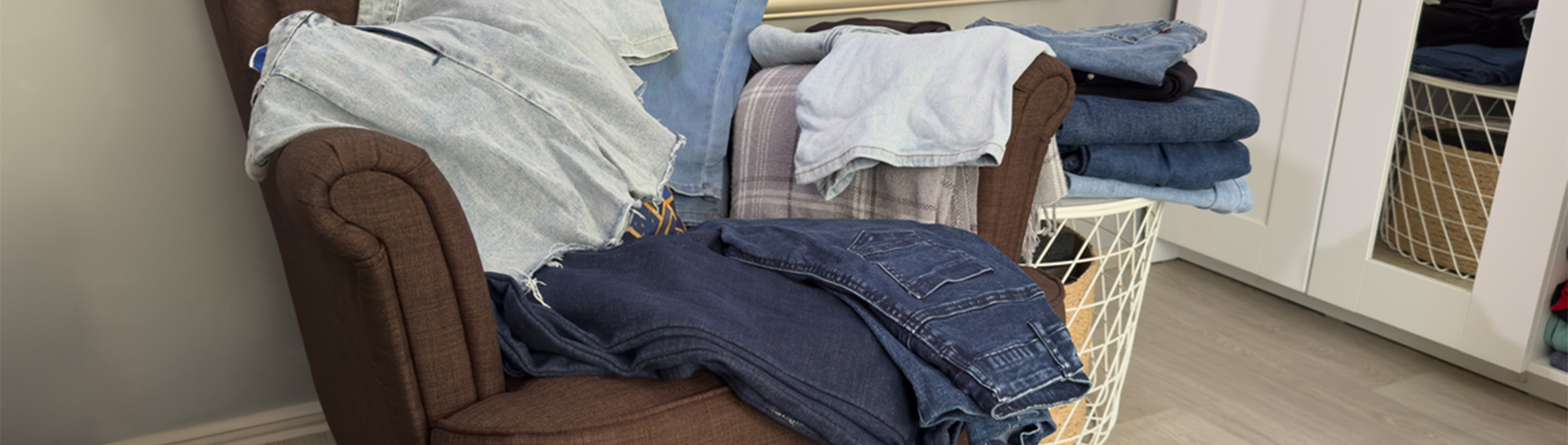
Looks like: broken items, unfinished projects, areas that have become catch-alls for things left unresolved
Broken objects and unfinished projects do not sit quietly. They register. The nervous system tracks what is incomplete or malfunctioning even when the conscious mind has moved on. This isn’t a spiritual concept. It is an attentional load. The more of these points exist in a space, the more the environment pulls at your awareness every time you pass through it.
When The Drain is active, health and vitality are often the first areas of life to feel it. Your body is working harder than it should just to exist in your own home.
Block #2: The Scramble
Feels like: scattered mind, unfinished loops, difficulty focusing or settling
Looks like: visual noise, piles, no clear surfaces, no landing zones
When the eye has nowhere to land, the mind follows. A room where every surface holds something, mail, cables, last week's project, a candle, three books, a coffee mug, transmits ongoing incompleteness to the brain. This is not about aesthetics. It is about what the visual field communicates. No clear surface means no clear signal that it is safe to settle.
When The Scramble is active, personal growth and clarity are often the areas most affected. It becomes challenging to think clearly, make decisions, or move forward with intention.
Block #3: The Pressure
Feels like: tension, irritability, always on, reactive
Looks like: tight pathways, harsh overhead lighting, sharp corners aimed at key seats or the bed
Spatial conditions speak directly to the body. A sofa with its back to a doorway generates low-level alertness because the body braces for what it cannot see. Harsh overhead lighting keeps the nervous system stimulated. A sharp bookshelf corner pointed toward the desk chair registers as a subtle threat. None of this is conscious. But it accumulates, and it holds people on edge in spaces where they should be able to decompress.
When The Pressure is active, relationships and love often bear the weight of it first. The tension that has no clear source starts to show up between people.
Block #4: The Sleep Leak
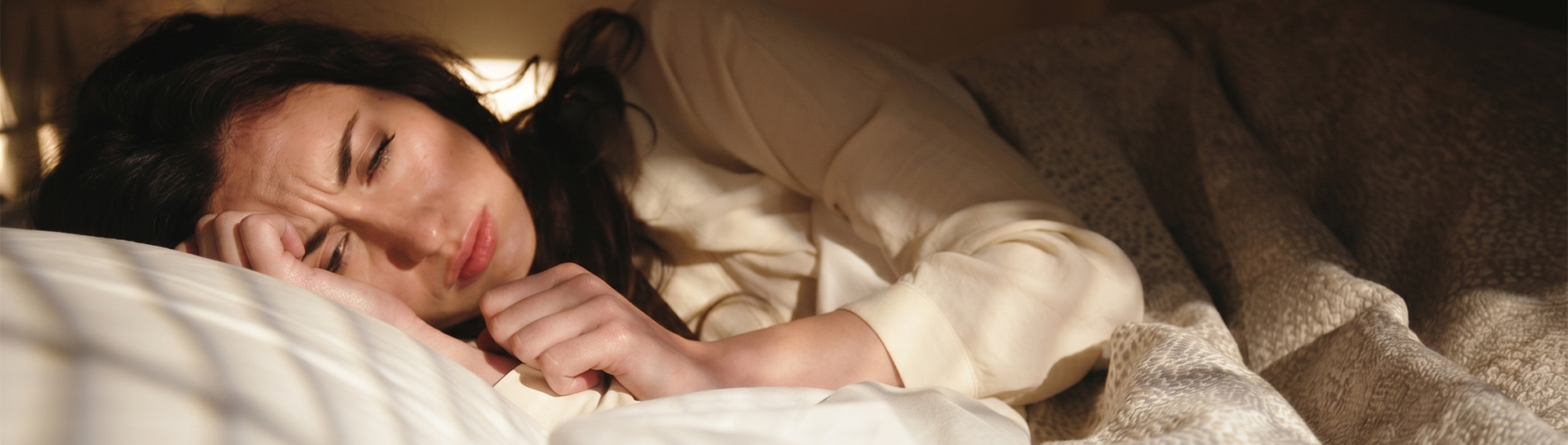
Feels like: light sleep, racing thoughts at night, emotional sensitivity, waking unrestored
Looks like: mirror reflecting the bed, screens within sight of the sleeping position, clutter near or under the bed
The bedroom is the one room where the body needs full permission to power down. When it holds activating elements, a television facing the bed, a phone charging on the nightstand, a mirror that reflects the sleeping body, bins stored underneath, the nervous system stays partially alert through the night. Sleep becomes light. Thoughts keep running. The body wakes without having truly rested.
When The Sleep Leak is active, everything compounds. Health, emotional resilience, clarity, and the capacity to show up fully in every area of life begin to erode.
Block #5: The Stuck Gate
Feels like: stagnation, plateau, nothing is moving, missed opportunities
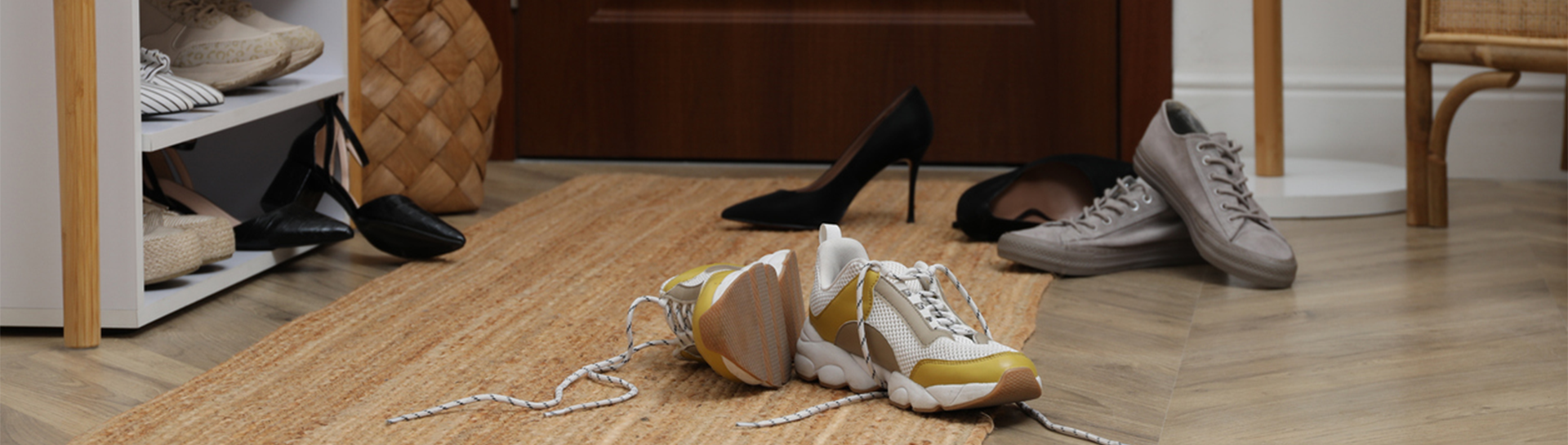
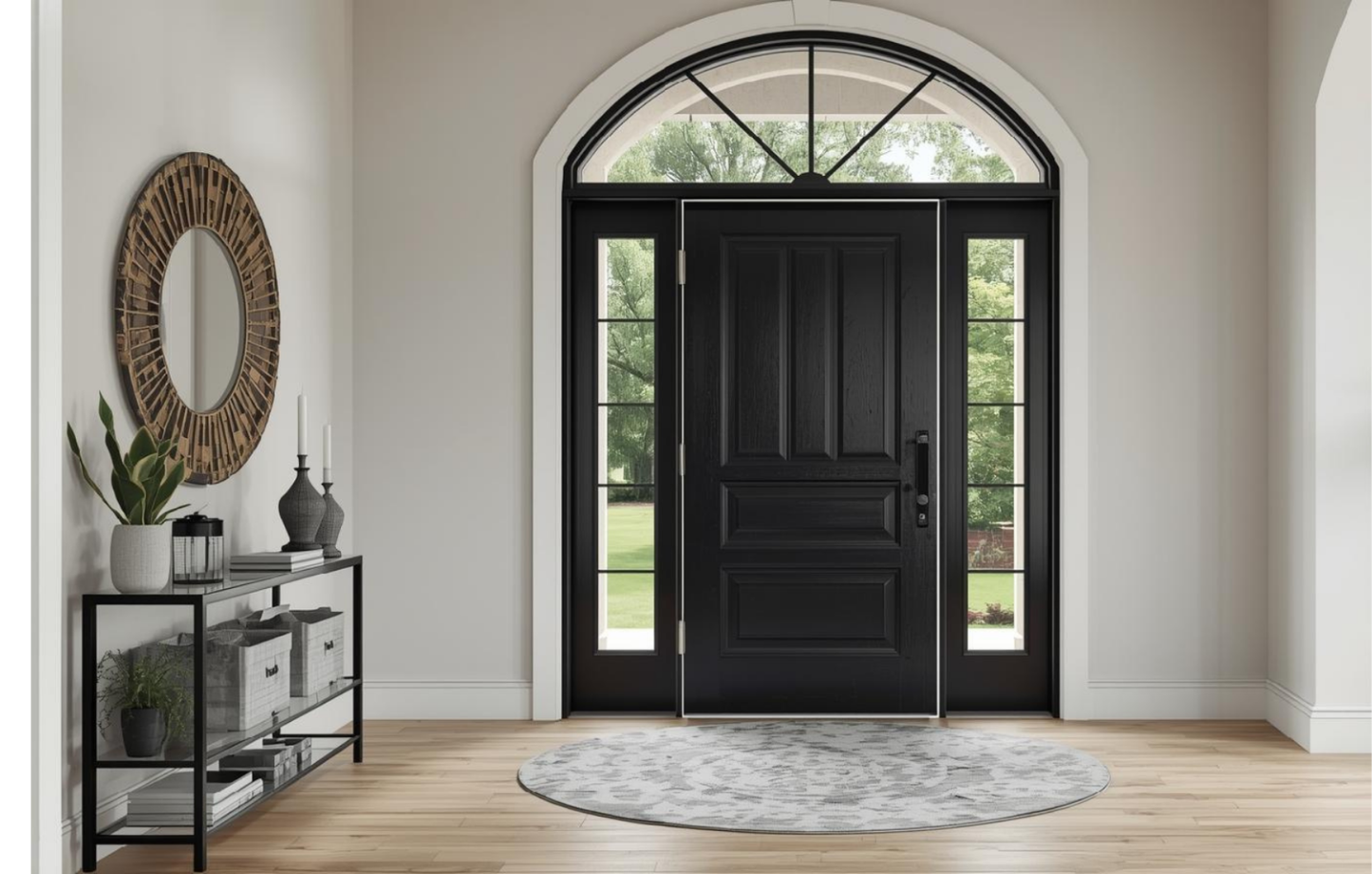
Looks like: blocked entry, cramped foyer, cluttered staircase, no sense of welcome or clear arrival
In Classical Feng Shui, the entry is where energy, opportunity, and momentum reach the home. A blocked, cluttered, or dim entry constricts that flow. It communicates, spatially and to the nervous system, that arrival is tight, unwelcome, or stalled. The entry shapes the first impression the space makes on you every single day. When it functions as an afterthought, that sense of stagnation travels further inside.
When The Stuck Gate is active, career, wealth, and forward momentum are almost always the areas that feel it most. Opportunity cannot find its way in when the entry is closed off.
Why DIY Sometimes Does Not Work
Recognising the pattern is a real starting point. Many people feel a genuine shift simply from naming what has been happening in their space. That awareness carries weight.
But when the same patterns keep returning, when the drain rebuilds, the scatter resumes, and the tension resettles, it is often because the underlying energetic structure of the space has not been fully understood.
In professional Feng Shui for home, the foundation goes deeper than placement alone. It includes how your home is oriented, how energy moves through it over time, and how different areas of the space interact with your life.
I use Flying Star Feng Shui, a classical compass-based system that maps how energy shifts within a home based on direction and time. I combine this with the Five Elements theory, which helps regulate how each space feels, whether it supports calm, focus, rest, or momentum.
Timing matters. In Flying Star Feng Shui there are specific periods when certain sectors of a home need to remain calm and undisturbed. A renovation in the wrong sector at the wrong time can create real disruption in the corresponding area of life. Health. Career. Relationships. Most homeowners have no idea this is happening. They make changes with the best of intentions and cannot understand why things seem to get harder afterward. This is one of the most important reasons to consult a Classical Feng Shui practitioner before making significant changes to your space.
Without this level of mapping, changes can be well-intentioned but misplaced. You might activate an area that actually needs to be softened, or overlook a part of the home that is quietly draining your energy.
When the same issue keeps returning, it is usually not about doing more. It is about working in the right place, with the right type of adjustment, at the right time.
That last part matters more than most people realise. And it is exactly what a proper assessment clarifies.
Your Next Step
If this named what you have been carrying, the next step is a conversation.
A free 20-minute Feng Shui Exploration Call is where we begin. I will listen to where life feels hard, ask specific questions about what you are experiencing in your space, and together we figure out whether Feng Shui is the right next step for you.
Most calls end with one clear priority and a genuine sense that something can actually be done.
If Feng Shui is not the root issue I will tell you that honestly.
Book a free 20-minute Feng Shui Exploration Call.
No pressure. Just clarity.
Frequently Asked Questions
Why do I feel drained at home even when life is fine?
When life is objectively fine but the body still feels heavy or foggy at home, the environment itself is often the source. Broken items, unfinished projects, and areas that have accumulated without resolution create a constant low-level demand on attention. The nervous system tracks what is incomplete even when the conscious mind has stopped noticing. This pattern is called The Drain, and it ranks among the five most common energy blocks in the home. Recognising it is the first step. Understanding what is driving it in your specific space is where a proper Feng Shui assessment begins.
Why didn't decluttering fix the off feeling?
Decluttering removes visible excess but does not address the underlying patterns that produced the excess, or the spatial mismatches that shape how the body and mind experience the room. If a room has tight pathways, harsh lighting, or a layout that keeps the nervous system on alert, clearing clutter may improve how it looks without changing how it feels. The off feeling is often not a clutter problem. It is a pattern problem. A proper Feng Shui assessment is built to identify which pattern is most active so you can stop guessing and address what is actually happening in your space.
How do I know if it's my space or just stress?
A useful check: notice whether the feeling shifts when you leave the home. If you feel markedly clearer, lighter, or more focused outside the space, the environment is likely contributing. Stress and spatial patterns often interact, but they operate differently. A home that does not support you amplifies stress and slows recovery.
The most useful next step is a focused conversation about what is actually happening in your specific space.
What is an energy block in a home?
An energy block is a spatial pattern, pressure point, or environmental mismatch that produces a persistent feeling of fatigue, tension, scatter, or stagnation. It is not always visible. It might be a room configuration, a lighting condition, a cluster of unfinished items, or a blocked entry point. Unlike clutter, energy blocks do not resolve through tidying alone. They require identifying the specific pattern and applying a targeted shift in the right area of the space. That level of accuracy requires a proper compass-based assessment of your home.
Why does my home affect my career, health, or relationships?
In Classical Feng Shui each of the nine sectors of your home corresponds directly to a specific area of life. When a sector is out of balance, blocked, or energetically depleted, the corresponding area of life begins to reflect that. A leaking or broken water feature in a career sector can coincide with stalled professional momentum. A cluttered or blocked entry can coincide with a sense that nothing is moving forward. These are not coincidences. They are patterns that a proper compass-based assessment can identify and address.
What happens on an Exploration Call?
The Exploration Call is a free 20-minute focused conversation. Together, you and I clarify what feels off and what you want instead, identify what is most likely disrupting flow in your specific space, and confirm the right first step for you. If a professional Feng Shui consultation fits, I will say so clearly. If it does not fit, or if Feng Shui is not the root issue, I’ll tell you that as well. Most calls close with a simple plan, not a commitment or a long to-do list.
About the Author
Kimberly is a Classical Feng Shui Consultant, CFSP and the founder of Joy Feng Shui. Her passion lies in helping people create spaces that truly support who they are and what they are here to do. Through Classical Flying Star Feng Shui and BaZi, and a deeply personalized approach, she guides her clients in aligning their homes and workspaces to cultivate clarity, vitality, and a renewed sense of joy.
- Share This Article -