This is a subtitle for your new post
Kimberly Archambault is a certified Feng Shui Consultant and the founder of Joy Feng Shui. She helps clients create spaces that truly support who they are and what they’re here to do by aligning homes and workspaces with clarity, vitality, and ease. With training in classical Feng Shui and experience in psychology, design, and holistic practices, Kimberly brings a grounded, personalized approach to her work.
TL/DR Summary:
DIY Feng Shui can improve your space, but it often stops working when deeper energy patterns are involved. This article explains where most people get stuck, how your home affects your nervous system, and when surface-level changes are not enough. You’ll learn the difference between general Feng Shui tips and a method-based assessment, so you can decide what your space actually needs.
Key Highlights:
- Explain why DIY Feng Shui often fails without energy assessment
- Identify signs your home feels off despite decluttering efforts
- Clarify differences between general Feng Shui tips and classical methods
- Describe how home layout influences nervous system regulation
- Outline when professional Feng Shui diagnosis becomes necessary
Yes, you can DIY Feng Shui. And Here’s Where Most People Get Stuck.
You can absolutely do some Feng Shui on your own.
In fact, many of my clients are the kind of people who already have. They’ve decluttered, rearranged, simplified, and made their home beautiful. They’ve tried the obvious things.
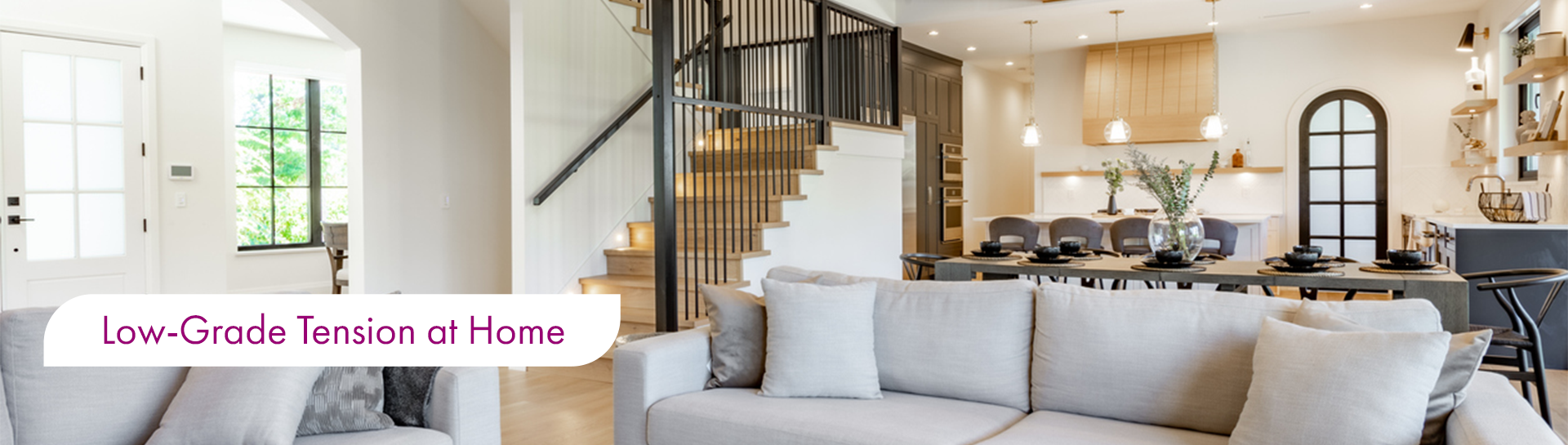
And still, something feels off.
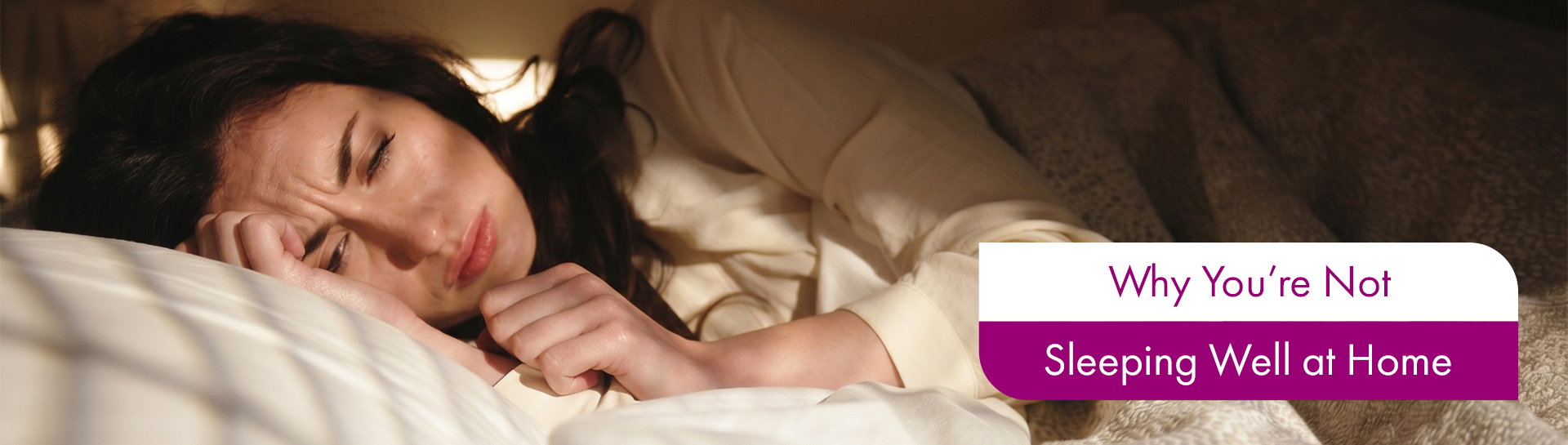
They walk into a space that looks fine, and their body doesn’t soften. They feel drained at home even when life is fine. They can’t fully relax. They don’t feel grounded or connected with themselves, let alone their loved ones. They work hard and still feel like they’re spinning their wheels. Money comes in and then goes out just as quickly.
If that’s you, you’re not imagining it. And you’re not doing anything wrong.
This is where Feng Shui can help. But not in the way most people think.
What most people mean by “DIY Feng Shui”
When people say DIY Feng Shui, they usually mean decluttering and organizing, moving furniture around for better flow, choosing colors that feel calming or energizing, adding meaningful objects or symbols, and making the space feel more intentional.
All of that can be helpful. Sometimes it creates quick relief. And then the feeling returns.
Your home speaks to your nervous system all day long: light, layout, visual noise, pathways, the way you enter a space, the way your bedroom settles you. These things matter, whether you call it Feng Shui or not.
So yes, there are general principles of Feng Shui you can apply in your home.
The problem is what happens next.
The DIY trap: doing more, without getting clearer
Most high-achieving people respond to an “off” home by trying harder. They keep improving the house. They add effort. And they often end up with a home that looks better but still doesn’t feel better.
Because sometimes the issue isn’t surface-level.
Sometimes it’s an energy pattern. A disruption point. A mismatch between the layout’s energy pattern and the outcome you’re trying to create in your life.
This is the part I say gently, because it’s important: When the foundation is off, people waste time fixing the wrong things. It can look better, but it does not feel better.
DIY doesn’t fail because you didn’t try hard enough. DIY fails when you’re not working with a clear read on what’s actually happening.
What Feng Shui is actually doing
I practice Classical, compass-based Feng Shui. That matters because it’s not guesswork.
It’s a method that helps you do two things: reduce what is draining you and strengthen what supports you.
We balance the areas that are challenging you and pulling your energy down, so your nervous system is not constantly in management mode. We activate the parts of your home that are favorable, so you benefit from extra support and flow.
That’s the goal.
Not perfection. Not superstition.
Clarity before effort. Foundation before fixing.
A client moment you might recognize
A client once said to me, “I keep trying to make my home feel better. I keep changing the decor. But I still can’t fully relax.”
Her home was lovely. Clean. Well designed.
What she described wasn’t a mess. It was her nervous system responding to the way her home was holding energy.
She stayed busy at home because stopping felt uncomfortable. She felt more irritable at night. She felt less connected with her partner because she was depleted. She kept thinking it was her.
It wasn’t.
Her environment had a few specific disruption points that were keeping her system alert. Once we addressed those, she didn’t need more effort. She needed less.
That’s what good Feng Shui does.
It gives you back capacity.
So can you DIY Feng Shui?
Yes, up to a point.
DIY can work when the issue is mild and obvious, when one change creates noticeable relief, or when your home already feels mostly supportive and you’re fine-tuning.
DIY usually stops working when you’ve decluttered and organized but still feel drained. When your bedroom doesn’t feel deeply restorative. When certain areas feel heavy or tense and you can’t explain why. When the same problems keep reappearing in different forms. When you feel like you’re spinning your wheels, even when you work hard.
This is the moment where most people don’t need more tips.
They need a proper read of the space.
Why working with a professional changes everything
A certified, method-based Feng Shui practitioner brings something DIY can’t provide: diagnosis.
Not opinions. Not “try this.” A clean assessment.
Classical Feng Shui starts with confirmed facing direction (not guessed), personal directions (so you stop working against yourself), and correct mapping of the nine sectors onto the real floor plan.
That’s how you stop throwing effort at the wrong places.
And I’ll add something that matters to me: if Feng Shui is not the root issue, I will tell you.
Sometimes what people need is less about the home and more about pacing, boundaries, or an ongoing life season. But when the home is part of the problem, it’s a relief to finally know where, why, and what to do first.
Most people don’t need a long to-do list. They need one clear first move.
Start here (before you do anything bigger)
If your home looks fine but still feels off, don’t jump straight into fixing everything. Start by naming what you’re actually living with, so you stop guessing.
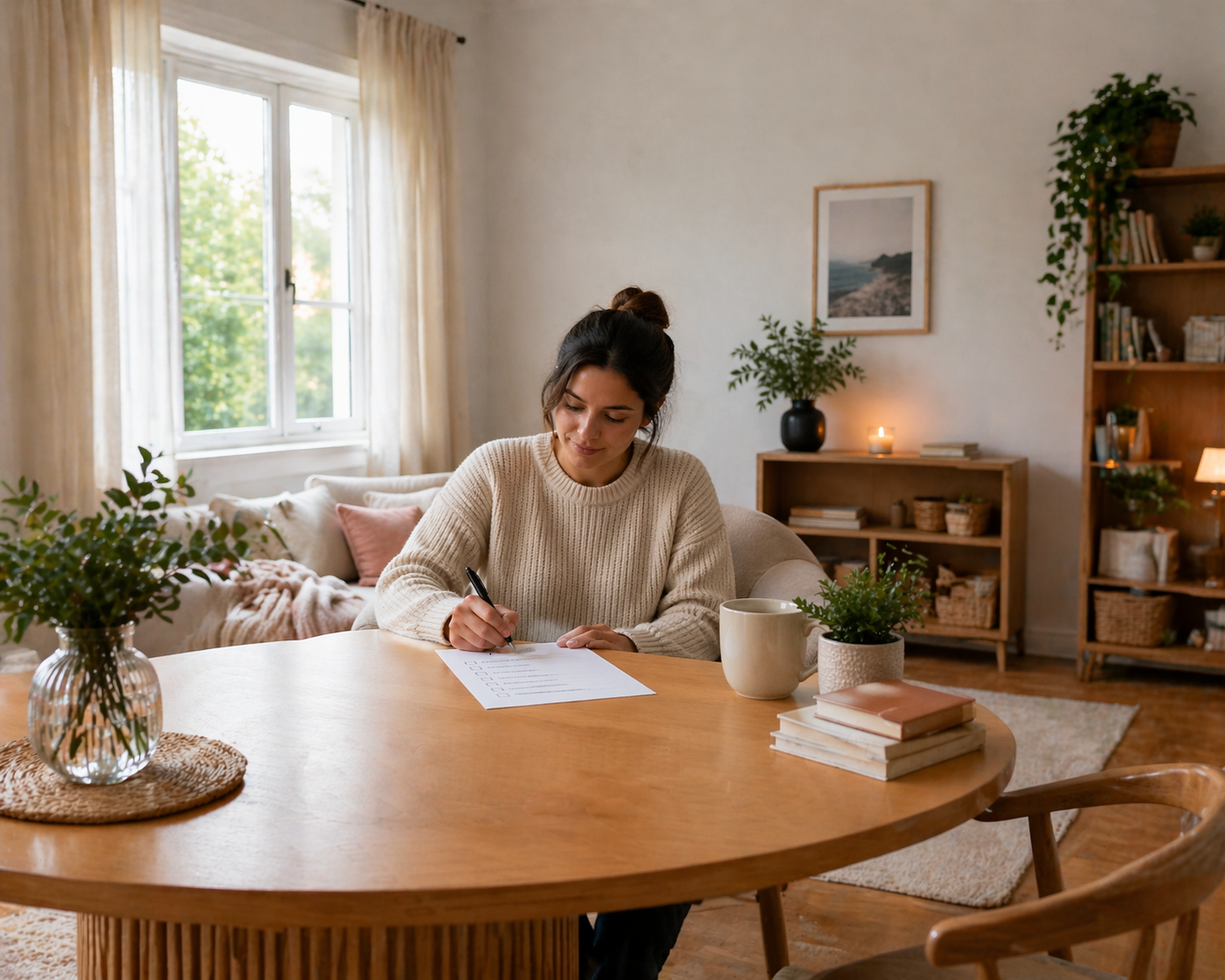
Start with my 5-Minute “Home Feels Off” Check. It takes five minutes and helps you name what’s off in your space and choose the right next step.
It’s a calm first step. Not a full diagnosis. Just a way to get oriented and stop guessing.
And if your results show that the disruption is more active, that’s when a conversation can help you decide what kind of support is actually worth it.
If you score 11 or higher on the Home Energy Check, book a free 20-minute Feng Shui Exploration Call. No pressure. Just clarity.
Most calls end with a simple plan, not a long to-do list.
If Feng Shui is not the root issue, I will tell you.
A simple yes / no
If your home feels supportive and you feel grounded inside it, you don’t need this.
If your home looks good but you feel drained, unsettled, and disconnected, start with the Energy Audit. It takes five minutes and helps you name what’s off in your space and choose the right next step.
There’s nothing urgent here. Nothing you have to fix overnight. Your home is a relationship, and relationships respond best to clarity, not pressure. Whether you take the audit, book a call, or simply begin paying closer attention to how your space feels, the important thing is that you move from guessing to understanding. From there, the right next step tends to become clear.
Frequently Asked Questions
Can you really do Feng Shui on your own?
Yes, you can apply basic Feng Shui principles such as decluttering, improving furniture placement, and choosing supportive colors. These changes can improve comfort and flow. However, DIY Feng Shui may not address deeper energy patterns tied to the home’s orientation and layout, which require a structured assessment.
Why does my home look good but still feel off?
A home can appear organized and well-designed while still affecting your nervous system. Subtle factors like layout, light, room positioning, and movement pathways influence how your body responds to a space. When these elements are misaligned, the environment may feel draining despite looking aesthetically pleasing.
What is the difference between general Feng Shui tips and Classical Feng Shui?
General Feng Shui tips focus on visible adjustments like decor, colors, and symbolic objects. Classical Feng Shui uses compass directions, floor plan mapping, and time-based calculations to assess energy patterns within a space. This method-based approach aims to identify root causes rather than surface-level improvements.
How do I know if DIY Feng Shui is no longer enough?
DIY Feng Shui may not be sufficient if you continue feeling drained, restless, or unsettled after organizing and redesigning your space. Repeated patterns in sleep issues, focus challenges, or tension in specific rooms can signal deeper layout or directional imbalances that require professional analysis.
Does Feng Shui actually affect productivity and wellbeing?
Environmental psychology research shows that layout, lighting, and spatial organization influence stress levels and cognitive performance. Feng Shui works within this broader understanding by evaluating how spatial orientation and room usage impact daily energy, focus, and emotional regulation over time.
- Share This Article -