Why You Can’t Focus at Home: Feng Shui Tips for Better Concentration
This is a subtitle for your new post
By Kimberly Archambault
Summary
Feeling scattered or distracted at home is often a spatial problem rather than a personal one. The Scramble block occurs when visual noise, piles, and the absence of clear landing zones prevent the brain from settling. This post explains what the Scramble looks like in a real home, why it fragments attention, and the one-surface shift that begins to restore focus.
Key Highlights
- Identify visual noise and cluttered surfaces as the core causes of the Scramble block.
- Understand how unresolved surfaces signal the nervous system to stay alert.
- Spot Scramble patterns across desks, counters, dining tables, and entry surfaces.
- Apply the one-surface shift and maintain it for seven consecutive days.
- Recognize when persistent scatter signals a deeper spatial imbalance needing review.
- Learn how visual overstimulation and cognitive load fragment attention at home.
You have been trying to focus for twenty minutes. You have not started yet.
Not because you lack discipline. Because your room will not let you.
The stack on the desk caught your eye first. Then the pile on the counter. Then the items waiting for a decision you have not made yet. Before you even settled in, your attention was already somewhere else.
It is not a willpower problem. It may be a spatial one.
The Scramble rarely announces itself dramatically. It feels more like an inability to fully land anywhere mentally. Your attention jumps before your body even settles. The eye catches one unfinished thing, then another, then another. Papers waiting for decisions. Cables across the desk. Items left in transition on every surface.
Nothing feels individually urgent. But together, they create a constant atmosphere of low-grade mental fragmentation. The nervous system stays subtly alert because the environment never fully communicates that anything is complete.
Does This Sound Familiar?
The Scramble is not loud. It hums persistently in the background. A constant inability to fully land at home, even when the space looks reasonably organized.
Your eye catches the mail pile. The cables on the desk. The items across the dining table. Every surface holds something unresolved. The mind catalogs all of it continuously, and mostly without conscious thought.
Where the eye travels, the mind follows. When the visual field offers nowhere to rest, nowhere complete, nowhere resolved, the mind keeps moving too.
You might recognize this.
- Sitting down to work and immediately feeling pulled in several directions.
- Difficulty staying with one task before attention shifts to the next.
- A sense that the room feels busy, even when it is quiet.
- Thoughts that loop and resurface rather than settle.
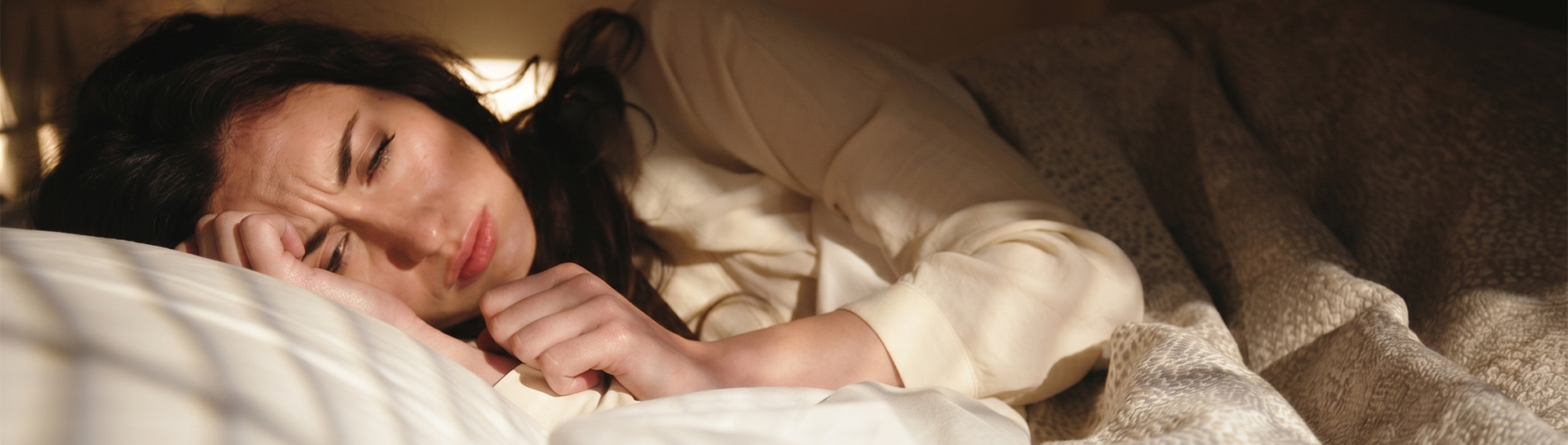
- Mental fatigue at home that outpaces what the day actually demanded.
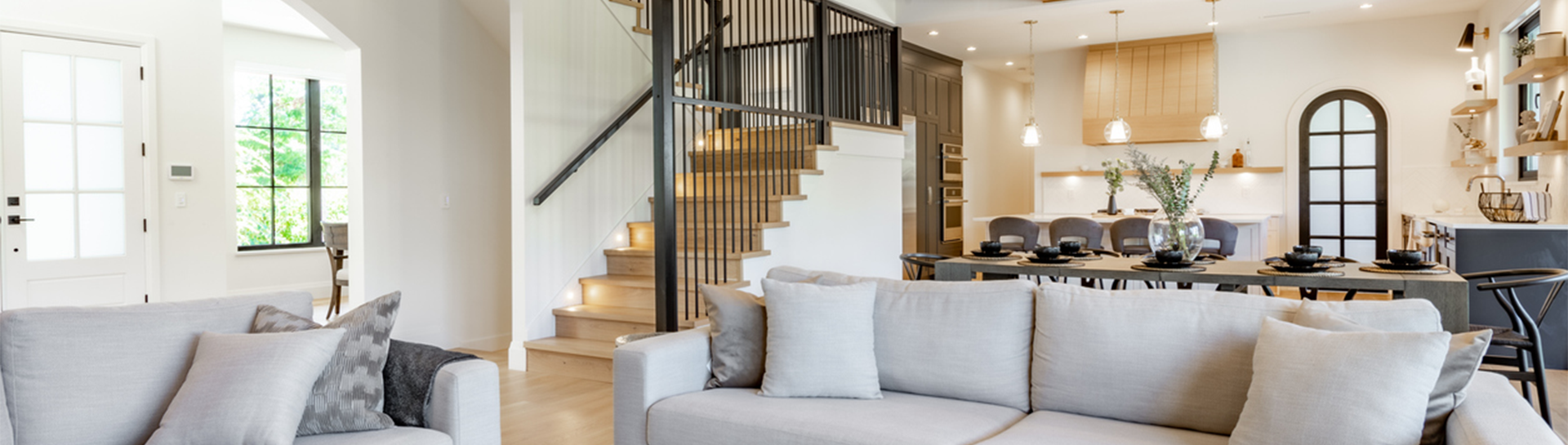
- A home that looks organized but still does not feel clear.
- Feeling overstimulated indoors without understanding why.
What the Scramble Actually Is
The Scramble feeds on piles, visual noise, and the absence of clear landing zones. These prevent the brain from receiving the signal it needs to settle and focus.
This has nothing to do with aesthetics. It has everything to do with what the visual field communicates to the nervous system.
A clear surface delivers a simple message: this field is resolved. Nothing here demands your attention right now. The brain receives that signal and begins to settle.
A surface holding a pile says the opposite. Something remains open. Then the next surface says the same. And the one after that. The mind stays alert, continuously monitoring, scanning, and allocating attention to whatever has not yet been resolved.
The Scramble is not a symptom of poor focus or personal failing. It is a direct and predictable response to what the environment is communicating.
Unlike the Drain block, which primarily creates heaviness and depletion, the Scramble fragments attention and increases mental noise. One drains vitality. The other scatters focus. To understand how these five energy blocks connect to the key areas of your life, read Why Your Home Looks Fine, So Why Does It Feel Off?.
What the Scramble Does to Your Life
When the Scramble is active in a home, personal growth and clarity are almost always the areas of life that suffer most.
The inability to focus is not just an inconvenience. It quietly erodes the capacity to make good decisions, move forward with intention, and access the version of yourself that knows exactly what to do next.
When clients come to me feeling stuck in their personal direction, unclear about where they are going or why, I almost always find the Scramble active somewhere in their space. The fog they are experiencing is not coming from inside them. It is coming from the environment around them.
That distinction matters. Because it means the answer is not more discipline or more effort. It is a change in the space.
Why Visual Clutter Fragments Attention
The brain continuously processes environmental information, even when you are not consciously paying attention to it. Visual clutter increases the load on the nervous system by forcing it to monitor multiple unresolved stimuli at once.
Psychologists call this attentional residue: mental energy that remains attached to incomplete tasks, decisions, and visual cues. Every unresolved surface quietly competes for attention in the background, without you ever choosing to engage with it.
Environmental psychology research has shown that visual overstimulation reduces sustained attention and increases mental fatigue. When the eye finds nowhere to land, the nervous system struggles to settle into clarity or concentration.
This is why some homes feel mentally quiet while others feel impossible to focus inside, even when both spaces look relatively organized.
What It Looks Like in Your Space
Walk through the rooms where you spend the most time. Scan the surfaces.
How many hold a genuinely clear area? Not spotless, just clear. A place where the eye can land without immediately encountering something that requires a decision or an action.
In homes where the Scramble is active, the answer is almost none.
- The desk holds today's work beside last week's receipts, beside a book from two weekends ago, beside a mug that never made it back to the kitchen.
- The dining table collects whatever life has not found a home for yet.
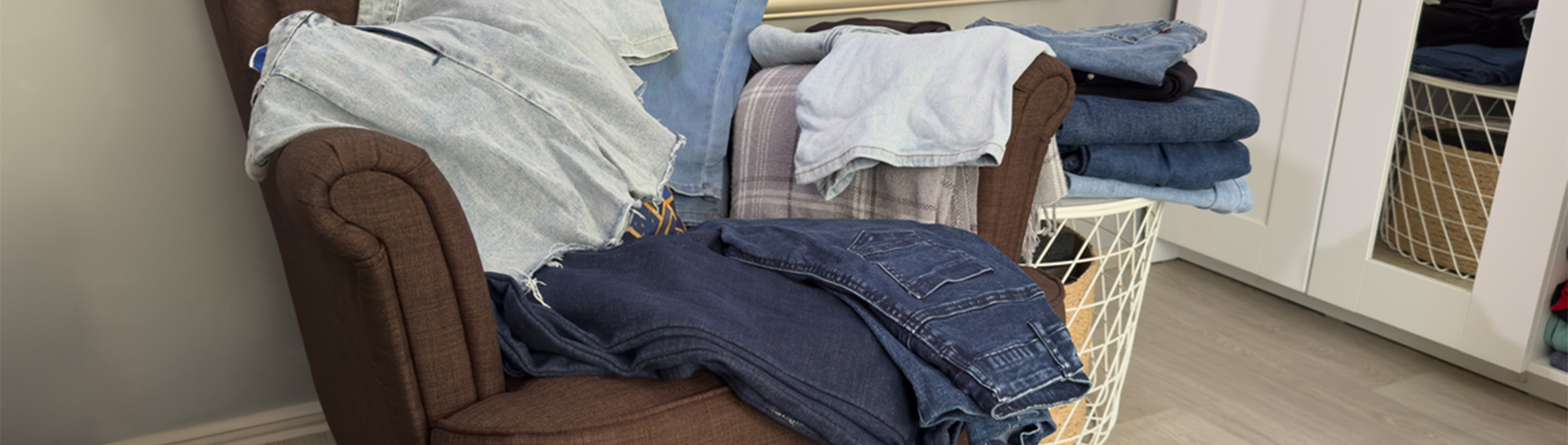
- The bedroom dresser holds items in transition.
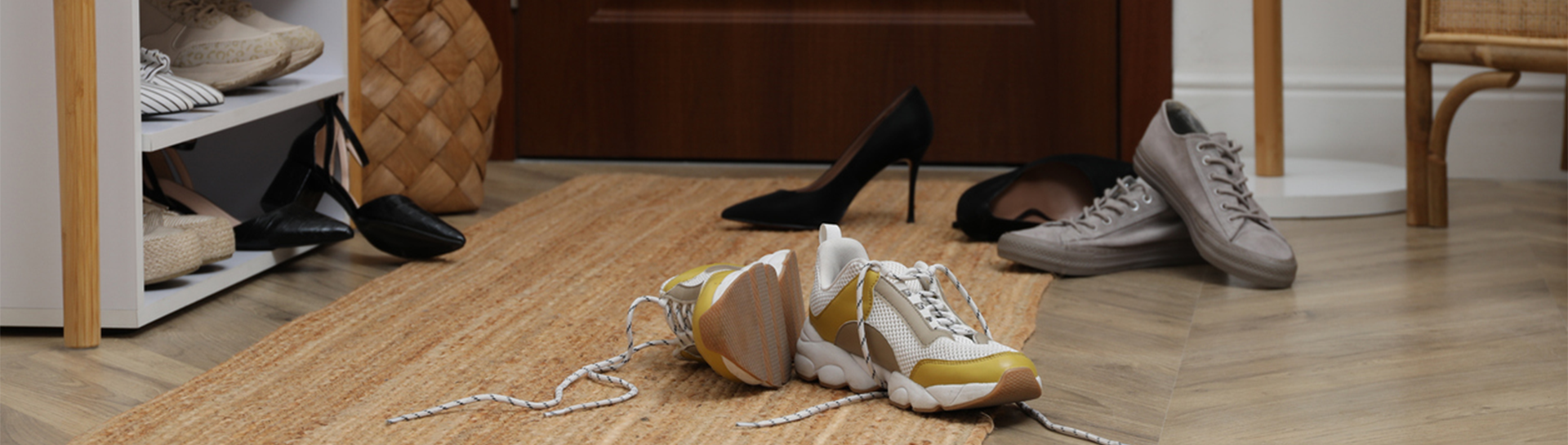
- The entry surface collects everything that comes through the door.
Home offices are often the worst Scramble zones, because work, personal life, unfinished decisions, and digital clutter all converge in the same visual field at once.
None of this reflects personal failure. It reflects how surfaces behave in a busy life. Items migrate and accumulate naturally over time.
The result is that there is nowhere to land, nowhere the nervous system reads as complete. The eye keeps searching, and the mind keeps moving with it.
The 10-Minute Shift
Clear one surface. Not tidy. Clear.
Pick one: the kitchen counter, the desk, the dining table, or the bedside table. Remove everything. Return what genuinely belongs there and relocate or store the rest. Leave the surface empty and hold it there for seven days.
The seven-day commitment is what makes this work. One clear morning does not create lasting change. Seven consecutive days does, because the brain needs time to register a reliable reference point, not just a single reset.
In a visually noisy room, one clear surface gives the nervous system something it has been missing: an anchor. One location that consistently signals that here, something is complete.
That anchor changes the quality of the whole room. Not because everything else shifted, but because one reliable point of resolution now exists within it. The mind returns there and registers completion. Just slightly. Just enough.
Hold that surface clear for seven days before you evaluate the shift. This one rewards patience.
How Your Workspace Affects Focus at Home
The space where you work matters more than most people realize.
A desk surrounded by unfinished projects, tangled cables, and constant visual movement forces the nervous system into continuous attention switching. Even subtle environmental distractions increase cognitive friction and make it harder to sustain concentration.
The following all support mental clarity and deeper focus.
- Clear surfaces with intentional placement of only what is needed.
- Softer lighting that reduces visual stress.
- Fewer unresolved visual cues within the line of sight.
- A dedicated workspace that is visually separate from personal clutter.
Sometimes what looks like a productivity problem is actually an environmental one.
When DIY Is Not Enough
Clearing one surface often brings immediate and noticeable relief. The room quiets slightly. Mornings feel clearer. The Scramble begins to slow.
But sometimes it persists. Surfaces refill almost immediately despite genuine effort. The scatter returns regardless of what gets organized. You clear and clear, and still cannot settle.
When that happens, the issue may run deeper than what is visible.
In my experience, when the scatter keeps rebuilding despite real effort, it is almost always because something is happening in the energetic structure of the space that clearing alone cannot reach. A sector that is out of balance in a way that requires a proper compass-based assessment to identify and address.
When the foundation of a space is off, people spend time fixing the wrong things. The room looks better, but the feeling does not follow.
If the Scramble keeps returning, a Feng Shui assessment will help identify what is actually driving it.
The Right Starting Point
If the Scramble named what you have been experiencing, start with one clear surface maintained for seven days. That is a real and meaningful first step.
But if you have been living with scattered focus and foggy direction for a while, the surface is just the beginning. The deeper question is what your space is doing to the areas of your life that matter most. That is what a focused conversation with me can start to clarify.
If this resonates, you might also recognize yourself in one of the other energy blocks explored in Why Your Home Looks Fine, So Why Does It Feel Off?.Each block connects directly to a specific area of life. And understanding which ones are most active in your space is where everything begins to shift.
Book a free 20-minute Feng Shui Exploration Call. It is a focused conversation where I listen to what has been happening, ask specific questions about your space, and help you understand what is most likely driving it. Most calls end with one clear priority and a genuine sense that something can actually be done. If Feng Shui is not the root issue, I will tell you that honestly.
Frequently Asked Questions About Focus and Mental Clutter at Home
Why do I feel scattered and unfocused at home?
Visual noise in the home prompts the brain to allocate attention to every incomplete surface and unresolved object in the field of view. This diffuses focus and makes it genuinely difficult to settle, concentrate, or rest. The Scramble block names this pattern. The nervous system is responding appropriately to what the environment is communicating. To understand how the Scramble connects to other energy blocks in your home, read
Why Your Home Looks Fine, So Why Does It Feel Off?.
Does visual clutter really affect concentration?
Research in environmental psychology shows that visual complexity increases cognitive load and reduces sustained attention. Unresolved items in the visual field prompt the brain to monitor each as an active task, without conscious choice. Concentration in a high-visual-noise environment requires more effort than it should, which contributes to mental fatigue and difficulty focusing at home.
What is a landing zone in a home?
A landing zone is a surface or area that stays consistently clear and visually resolved. It signals to the nervous system that completion exists within the space. In Feng Shui, clear landing zones support the settling of energy rather than its continuous circulation, helping the mind find a reliable anchor point at home.
Will clearing one surface actually make a difference?
For most people, yes. One clear surface in a visually complex room gives the brain a single reliable point of resolution. The nervous system needs one signal that something in the space is complete. Maintaining that surface for seven days allows the brain to register it as a pattern, not a one-time exception.
About the Author
Kimberly Archambault
Kimberly is a Classical Feng Shui Consultant, CFSP and the founder of Joy Feng Shui. Her passion lies in helping people create spaces that truly support who they are and what they are here to do. Through Classical Flying Star Feng Shui and BaZi, and a deeply personalized approach, she guides her clients in aligning their homes and workspaces to cultivate clarity, vitality, and a renewed sense of joy.
New title
New title
- Share This Article -