This is a subtitle for your new post
By Kimberly Archambault
Summary
Low-grade tension at home that persists even when you are free to relax is often a spatial problem rather than a personal one. The Pressure block is created by tight pathways, harsh lighting, and sharp corners that keep the nervous system in a low-level alert state. This post explains what it looks like in a real home, why it happens, and the 10-minute shift that begins to release it.
Key Highlights
- Identify the Pressure block through persistent tension and difficulty fully relaxing at home.
- Recognize how harsh lighting, tight pathways, and sharp corners trigger low-level stress responses.
- Understand how spatial cues keep the nervous system alert without conscious awareness.
- Apply the 10-minute shift to soften one harsh element and begin releasing tension.
- Learn when persistent tension signals a deeper spatial imbalance needing assessment.
- Discover how the Pressure block quietly affects your relationships and love life.
You close the front door behind you. Nothing is wrong. The day is done, the evening is yours, and there is nothing left to handle.
And yet your body has not received that message.
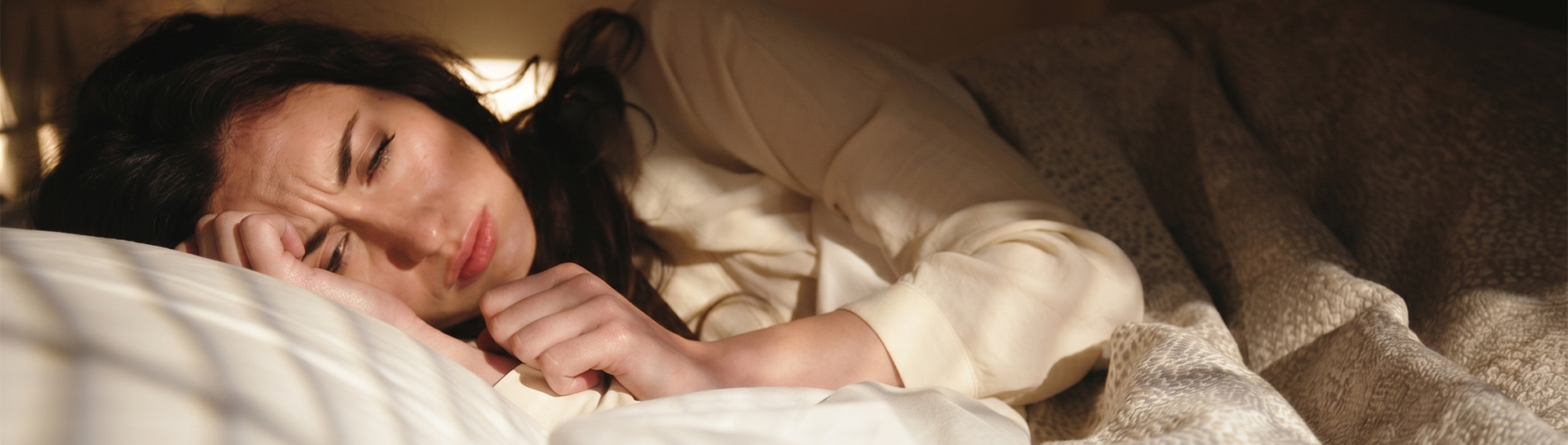
Your shoulders stay raised. A subtle tension buzzes in the background. Minor inconveniences trigger harder responses than they deserve. You want to decompress, but somehow you simply cannot get there.
This is not just stress. This is the Pressure block. And it has a spatial explanation.
Does This Sound Familiar?
The Pressure is quiet. It does not announce itself. You have done everything right. The day is behind you. Rest should follow. But the signal to let go never arrives.
You might recognize this.
- A low bracing quality in the body that persists well into the evening.
- Irritability that feels disproportionate to whatever actually happened.
- Difficulty sitting still or letting the evening settle around you.
- A persistent sense of being on without an obvious reason.
- Restlessness in the living areas where rest should come most easily.
- Feeling unable to fully exhale or unwind, even indoors with nowhere to be.
- Certain rooms feeling subtly stressful without knowing exactly why.
Something in the space is keeping the nervous system alert. That something is what the Pressure block names.
What the Pressure Block Actually Is
Your nervous system reads the physical environment automatically, whether you are paying attention or not. It scans pathways, tracks light levels, and notes what sits behind you and what points toward you. All of this happens below conscious awareness.
When your body cannot see the entrance to a room from where it is seated, it stays alert. Not anxiously, just on. It braces quietly for what it cannot track.
When overhead lighting runs bright and cool through the evening, the nervous system stays stimulated. Bright overhead light reads as midday to the body.
A signal to remain active, ready, and awake, even when the schedule says otherwise.
When a sharp furniture corner points directly at a regular seating position, the body registers it as a subtle directional threat.
None of these inputs reach consciousness. But they stack. A space with several of these conditions simultaneously creates an environment where the body simply cannot receive the signal it needs. The day is over. It is safe to stop.
Unlike the Drain block, which creates heaviness and depletion, or the Scramble block, which fragments focus and clarity, the Pressure block holds the nervous system in a state of subtle vigilance. One depletes. One scatters. This one keeps you braced.
To understand how all five energy blocks connect and which ones may be most active in your space, read Why Your Home Looks Fine, So Why Does It Feel Off?.
What the Pressure Block Does to Your Relationships
When the Pressure is active in a home, relationships and love are almost always the areas of life that feel it first.
Think about what persistent low-grade tension does to the people who share a space. Small things trigger bigger reactions. Patience runs short. The ease that should exist between people who love each other gets quietly replaced by friction that nobody can fully explain.
When clients come to me and tell me that their relationship has become tense, that they are snapping at their partner more than usual, that the warmth has cooled without anything dramatic happening, I look to the love and relationship sector of their home. And I look for the Pressure.
Almost always it is there.
The body that cannot relax at home is a body that cannot fully connect. Softening the space is not just about personal comfort. It is about what becomes possible between people when the environment finally stops holding them on edge.
Why the Nervous System Struggles to Relax in Certain Spaces
The nervous system continuously scans the environment for cues of safety or tension. Lighting, spatial openness, visibility, sharp lines, and room orientation all influence whether the body settles or stays subtly alert.
When pathways feel constricted, entrances remain visually exposed, or lighting stays bright into the evening, the body receives mixed signals about whether it is truly safe to relax.
This low-level vigilance activates the sympathetic nervous system. The same system associated with alertness and threat response, even when no conscious stressor is present.
Environmental psychology research has shown that sensory harshness, visual tension, and overstimulating environments increase physiological stress responses over time.
Spaces that lack softness, visual calm, and spatial safety cues often leave people feeling chronically on inside their own homes. Not because anything is wrong with them, but because the space is not communicating that anything is safe.
What It Looks Like in Your Space
Walk through your main living areas and look for these specific conditions.
- A sofa or chair with its back to a doorway or hallway, where the seated body cannot track what moves behind it.
- Bright overhead or cool-white light fixtures as the dominant evening light source, holding the nervous system in midday long after the workday ended.
- A sharp bookshelf corner, cabinet edge, or table angle aimed at a regular seating position, demanding continuous low-level attention.
- Pathways that feel slightly tight when moving through them, producing an unconscious bracing response.
One or two of these conditions, consistently present in your living areas, is enough to sustain the Pressure throughout the evening.
The 10-Minute Shift
Find one harsh spot in your main living area and soften it.
Start with one of these:
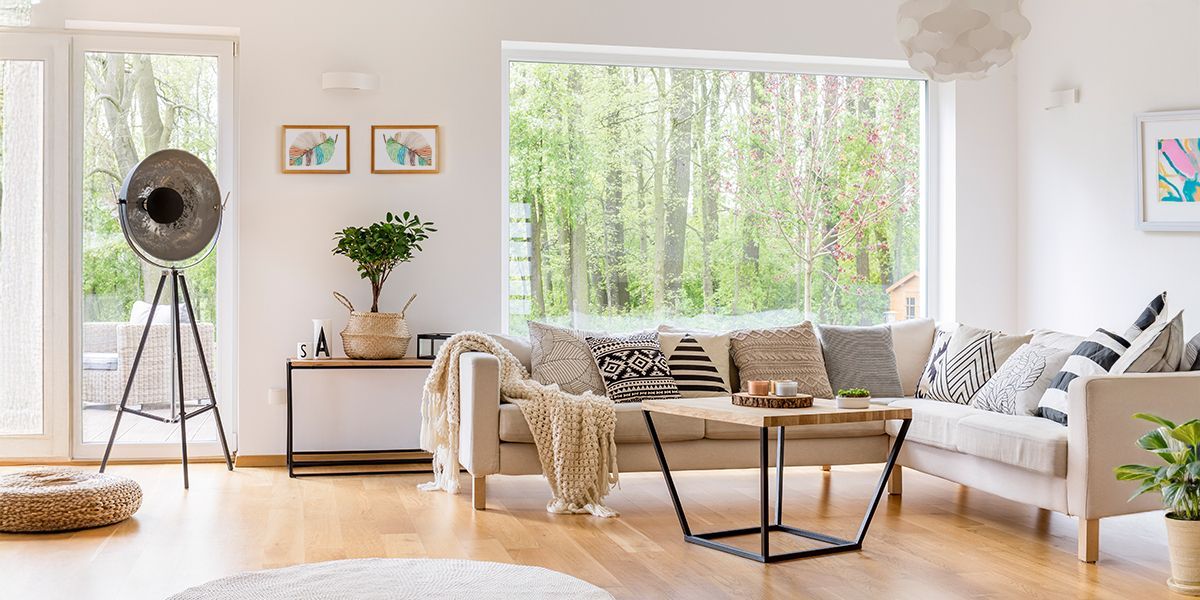
- A floor lamp with warm light placed near the seating area to replace overhead lighting in the evenings.
- A round plant positioned at the edge of a sharp corner to interrupt the line and soften the angle.
- A chair rotated so it faces the doorway rather than sitting exposed to what moves behind it.
- A warm bulb swapped into a fixture that currently runs cool and bright.
Keep it simple. Pick one spot and add warmth, softness, or roundness.
A whole-room redesign is not required. What the nervous system needs is one clear signal that the space is safe. One environmental cue that something has shifted. Even a warm lamp placed beside a sharp corner changes the quality felt in the room without touching anything else.
In Classical Feng Shui, seating and sleeping positions that allow the body to comfortably see the entrance without being directly aligned with it are called command positions. These arrangements reduce subconscious vigilance and help the nervous system settle more naturally into rest.
Small inputs. Real effects. That is precisely how the Pressure builds. And how it releases.
When DIY Is Not Enough
For many people, one soft lamp or a repositioned chair creates immediate and tangible relief. The tension releases. It becomes easier to settle into the evening.
But sometimes the Pressure rebuilds in specific rooms regardless of what gets physically adjusted. The tension returns. The body stays braced. The relationship absorbs it.
When that happens, the issue may run deeper than what is visible.
In my experience, when the tension keeps returning despite genuine effort, it is almost always because something is happening in the energetic structure of the space that physical adjustments alone cannot reach. A sector that is out of balance in a way that requires a proper compass-based assessment to identify and address.
When the foundation of a space is off, people spend time fixing the wrong things. The room feels slightly better but the Pressure does not lift.
If the tension keeps returning,
a Feng Shui assessment will help identify what is actually driving it.
The Right Starting Point
If the Pressure named the tension you have been sensing, you do not need a renovation. You need one soft adjustment in one harsh spot. Start there.
But if the tension keeps returning despite genuine effort, and if you have noticed it showing up in your relationships as well as in your body, the surface fix is just the beginning.
The deeper question is what your space is doing to your nervous system and the people you share it with. That is what a focused conversation with me can start to clarify.
If this resonates, you might also recognize yourself in one of the other energy blocks explored in
Why Your Home Looks Fine, So Why Does It Feel Off?. Each block connects directly to a specific area of life. And understanding which ones are most active in your space is where everything begins to shift.
Book a free 20-minute Feng Shui Exploration Call. It is a focused conversation where I listen to what has been happening, ask specific questions about your space, and help you understand what is most likely driving it. Most calls end with one clear priority and a genuine sense that something can actually be done. If Feng Shui is not the root issue, I will tell you that honestly.
FAQ
Why do I feel tense at home even when I am not stressed?
Tension at home without an obvious cause often points to the room itself. Tight pathways, bright overhead lighting, sharp furniture corners directed at seating positions, and sofas positioned with their backs to doorways all trigger low-level threat responses in the nervous system. These responses operate below conscious awareness and sustain a persistent sense of vigilance that prevents genuine relaxation. To understand how the Pressure connects to other energy blocks in your home, read Why Your Home Looks Fine, So Why Does It Feel Off?.
Can the layout of a room affect how I feel?
Directly, and more than most people realize. The nervous system reads spatial layouts continuously, tracking whether entry points are visible, pathways feel open, and lighting signals rest or alertness. These inputs affect mood and tension below conscious awareness. A room broadcasting low-level stress signals keeps the nervous system alert regardless of what the occupant is doing or how relaxed they intend to be.
What does the Pressure block look like in a home?
The Pressure block commonly appears as a sofa with its back to a doorway, bright overhead lighting used throughout the evening, sharp furniture corners aimed at regular seating positions, and pathways that feel slightly tight when moving through them. One or two of these conditions in your main living areas is enough to sustain persistent low-grade tension throughout the evening and into the night.
How does harsh lighting cause tension?
Cool-white and fluorescent overhead lighting is neurologically associated with midday alertness. Used throughout the evening, it gives the body contradictory information. The schedule says relax but the light says it is time to work. Replacing or supplementing overhead fixtures with warmer, lower lamps in the evening is one of the fastest and most effective shifts available for reducing tension at home.
About the Author
Kimberly Archambault
Kimberly is a Classical Feng Shui Consultant, CFSP and the founder of Joy Feng Shui. Her passion lies in helping people create spaces that truly support who they are and what they are here to do. Through Classical Flying Star Feng Shui and BaZi, and a deeply personalized approach, she guides her clients in aligning their homes and workspaces to cultivate clarity, vitality, and a renewed sense of joy.
- Share This Article -