Which Direction Should Your Bed Face for a Good Night’s Sleep?
In this guide you’ll learn:
- How Feng Shui evaluates bed direction and placement
- Common bedroom layout patterns that may affect sleep
- How to identify a supportive bed position for your home
- How to Feng shui your bedroom
A practical lens on bed direction, plus a simple next step
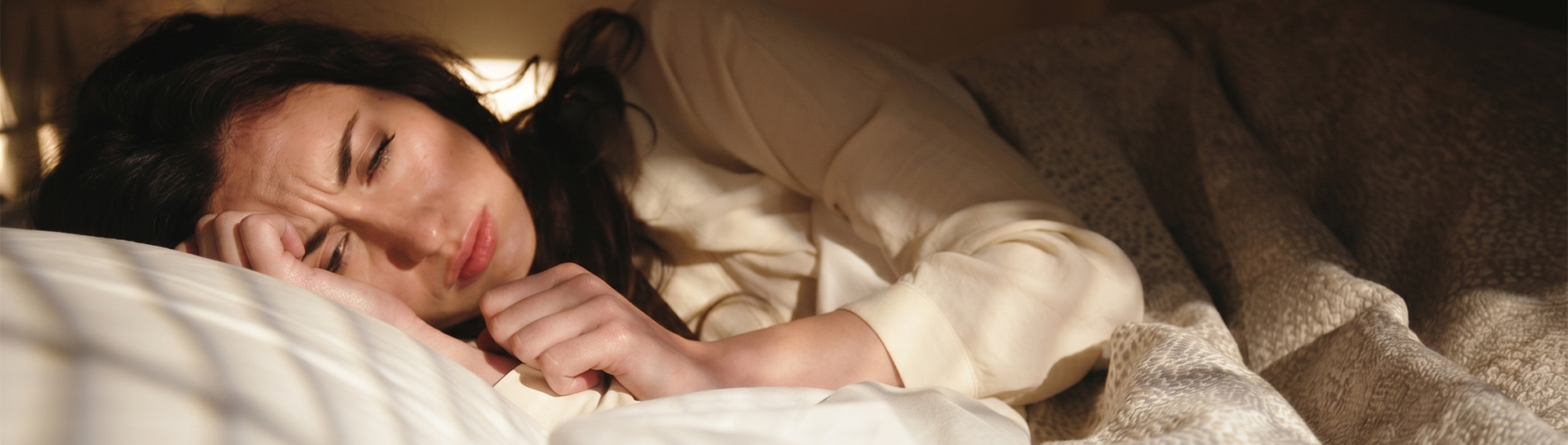
If you’re asking this, you’re already tuned in. People land here when their bedroom looks finished, yet sleep still feels light. You wake up tired. Your mind stays on. Or the room feels subtly busy, even when everything looks put together.
What we’re aiming for is simple. Success feels like getting into bed and feeling your whole system drop. Your breathing deepens. Sleep comes more easily, and you wake up feeling restored.
Here’s the truth in classical Feng Shui: there isn’t one best bed direction for everyone. There is the best direction for you in your specific home, based on the energy pattern of the space and your personal energy.
When those layers align, the bedroom feels steadier and more supportive, because the environment is finally working with your nervous system.
Why Quick Feng Shui Tips Often Fall Short
Most online guidance reduces Feng Shui to quick tips: put the bed on a solid wall, face a lucky direction, avoid having your feet point toward the door.
Some tips can help, but they’re rarely enough on their own. If you still feel off after trying them, it isn’t effort. It’s that the advice is generic, and your home is not.
In classical Feng Shui, compass readings matter, but they’re only one layer.
The bedroom’s location within the home matters too, because each area carries a different quality. Your personal supportive directions matter as well, because Feng Shui is meant to support real people living real lives, not an idealized setup on paper.
If you share the bed with a partner, we consider both people so the room feels calm for you together.
When the Bedroom Looks Right but Still Feels Off
Then there’s the practical side of the room. A bed can look good and still feel exposed.
- Maybe you’re directly in line with the door.
- Maybe a mirror catches movement at night.
- Maybe the bed isn’t anchored in a way your body can fully trust.
Often, one clean change restores quiet. Small environmental signals accumulate, and the body often responds before we consciously recognize them.
A Simple Check-In
Here’s a check-in: when you get into bed, do you feel your body soften?
If you don’t, it doesn’t mean anything is wrong with you.
It may simply mean the room is over-activating your system, or the bed placement isn’t supporting rest.
Sometimes the solution isn’t dramatic. It’s simply identifying which part of the space is creating tension.
An Easy Next Step
If you’re not sure whether bed direction is the issue, or if something else in the home is quietly affecting sleep, the next step is easy.
Take the free 5-Minute Home Energy Check from Joy Feng Shui. It helps you look at your space with fresh eyes and notice problem areas, without overthinking.
If you’d like to go deeper after that, you can also book a Feng Shui Exploration Call with Kimberly, founder of Joy Feng Shui. It’s a short conversation to get oriented in your home and point you toward the most helpful next step.
Prefer to speak directly?
You’re welcome to reach out:
☎ Call: 1-866-692-1350
✉ Email: kimberly@joyfengshui.com
A short conversation with Kimberly can often clarify what adjustments may make the biggest difference.
Frequently Asked Questions About Bed Direction in Feng Shui
What direction should your bed face according to Feng Shui?
There isn’t one universal direction that works for everyone. In classical Feng Shui, the most supportive bed direction depends on the orientation of the home and the location of the bedroom.
Is there a best direction for your bed to face?
The best bed direction varies from home to home. Feng Shui looks at the relationship between the home’s orientation, bedroom layout, and personal energy patterns.
Should your bed face the door in Feng Shui?
Ideally, the bed should not sit directly in line with the door. It’s better to see the door while lying in bed without being directly aligned with it.
Does bed direction affect sleep?
For many people, adjusting bed placement or direction can change how calm the room feels. Feng Shui focuses on creating an environment that supports the nervous system.
What if my bed cannot face the ideal Feng Shui direction?
Many homes have structural limitations. Feng Shui works with the reality of the space, and other adjustments can often restore balance.
When Your Bedroom Finally Feels Supportive?
Feng Shui isn’t meant to make you anxious about your bedroom.
It’s meant to help your home feel like it’s supporting you.
When the bed, the room, and your personal energy work together, rest stops being something you chase.
It becomes something you return to, naturally.
- Share This Article -